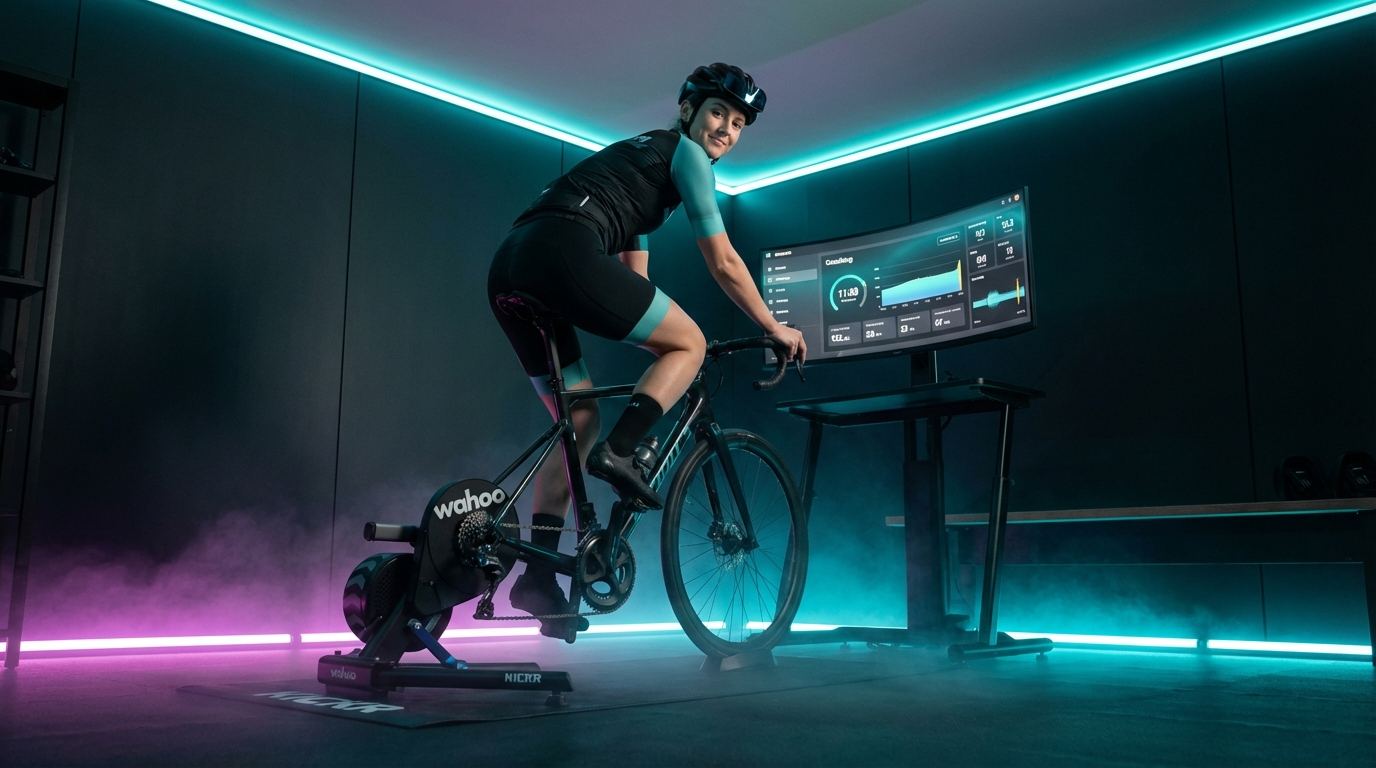
Training science, AI coaching, and what makes PeakPulse different.
Training science, AI coaching, and what makes PeakPulse different.
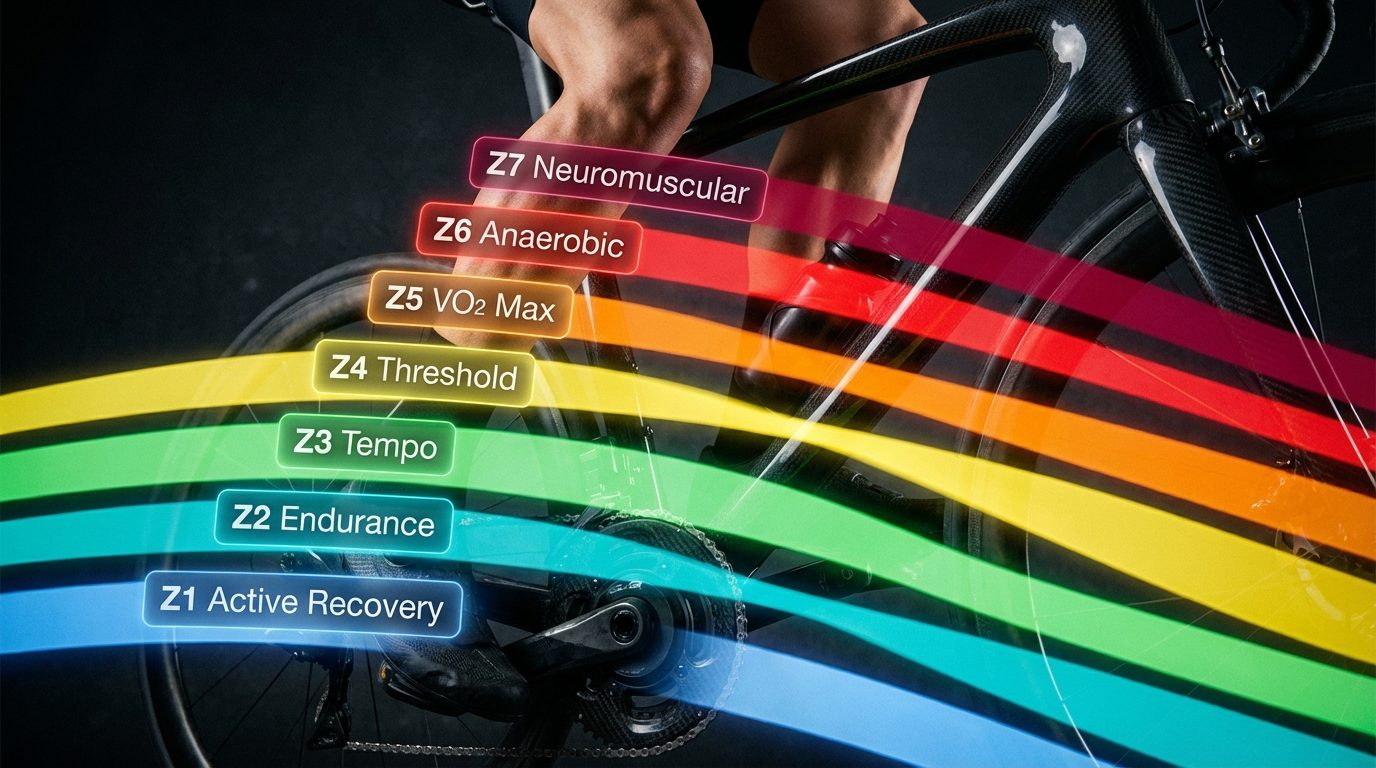
“Train in the right zones” is advice you’ll hear constantly in cycling. But what does it actually mean? What are the zones, what does each one do, and why does it matter whether you’re at 240W or 260W? This post breaks down all seven power zones, explains the physiology behind each, and covers how PeakPulse uses them in real-time coaching. Where the Zones Come From The seven-zone model was popularised by Dr. Andrew Coggan, one of the pioneers of power-based training. All zones are defined as percentages of FTP — your Functional Threshold Power — which means they’re automatically calibrated to your individual fitness level. ...
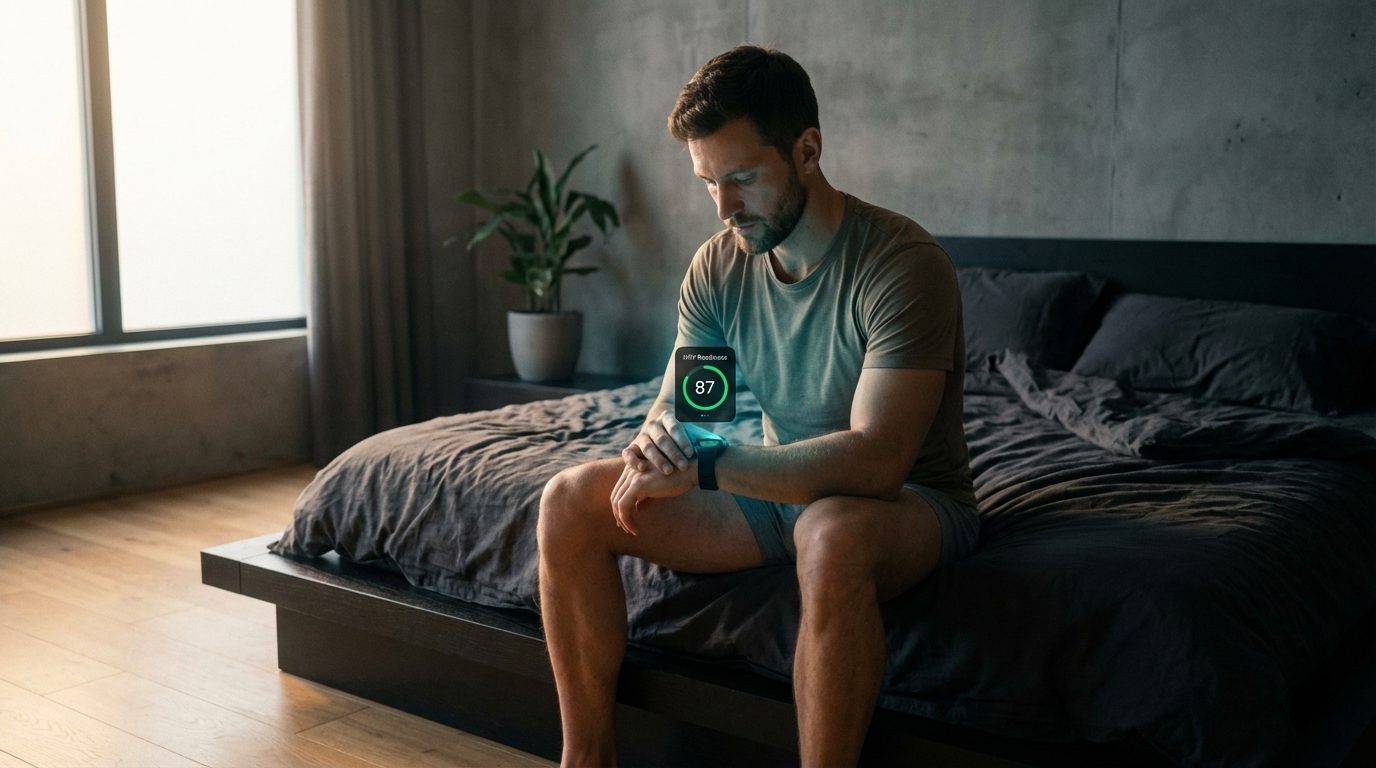
You wake up. Your alarm went off at 6am. You have a hard interval session scheduled. Your legs feel okay-ish. You’re not sure if you’re ready for it. Heart rate variability — HRV — is the metric that answers that question more reliably than anything else currently accessible to consumer athletes. Here’s why. What HRV Actually Measures Your heart doesn’t beat with perfect mechanical regularity like a metronome. Even at rest, there’s slight variation in the time between beats. That variation — measured in milliseconds — is HRV. ...
If you’ve spent any time in the world of cycling training, you’ve encountered FTP. It gets thrown around a lot — often without much explanation of what it actually is or why it matters so much. This post breaks it down clearly: what FTP is, how to measure it, and how PeakPulse uses it to calibrate your entire training framework. What FTP Actually Means FTP stands for Functional Threshold Power. It’s the highest average power output you can sustain for approximately one hour. ...
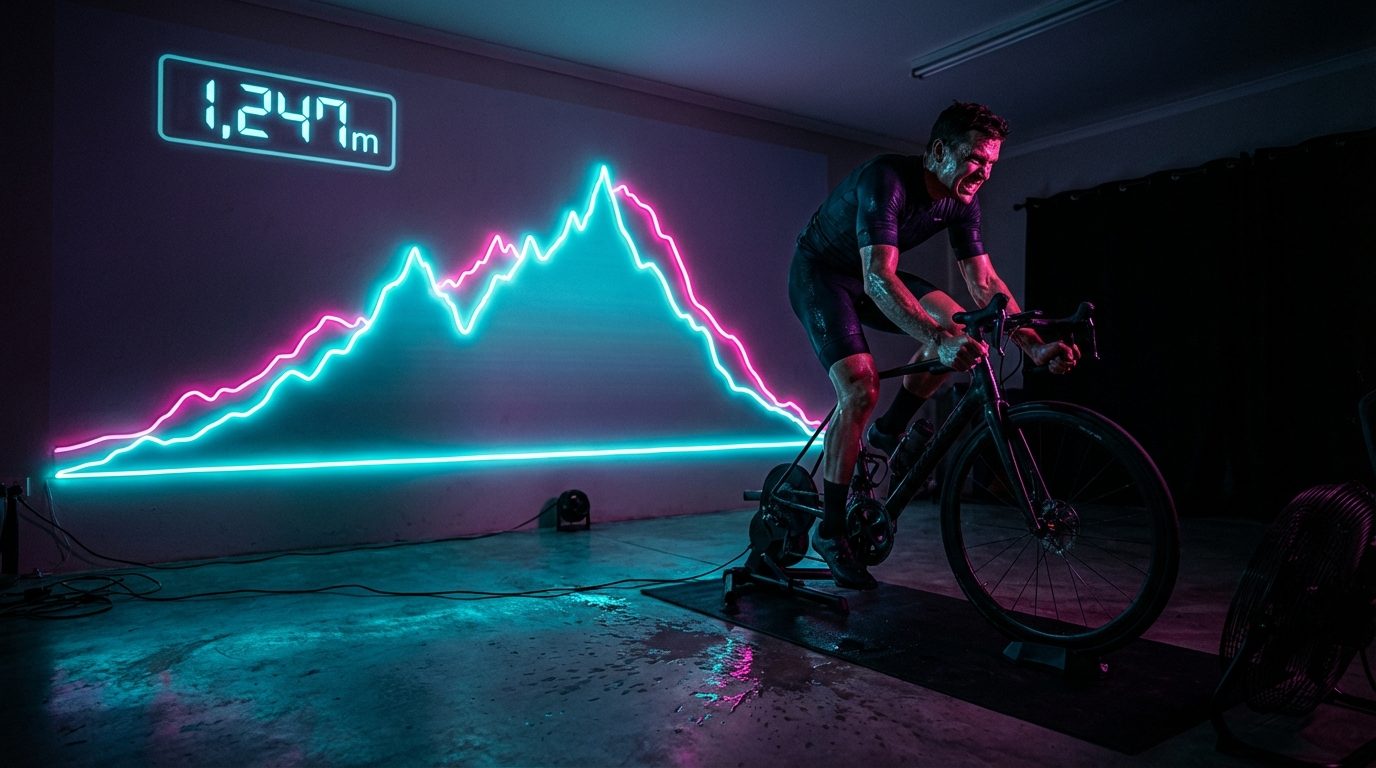
When Zwift launched, it changed indoor cycling. Suddenly you weren’t just grinding on a turbo in a dark room — you were riding through Watopia, drafting strangers, chasing KOMs on virtual climbs. For a lot of people, that social, visual immersion was exactly what they needed to make indoor training sustainable. But not everyone wants to ride through a cartoon world. Some athletes find the fantasy world distracting. Others just want a clean, goal-oriented session without managing avatars, power-ups, or chasing riders they can’t keep up with. Some people simply don’t want to spend the money on a full Zwift subscription for something they’ll use twice a week on a wet Wednesday. ...
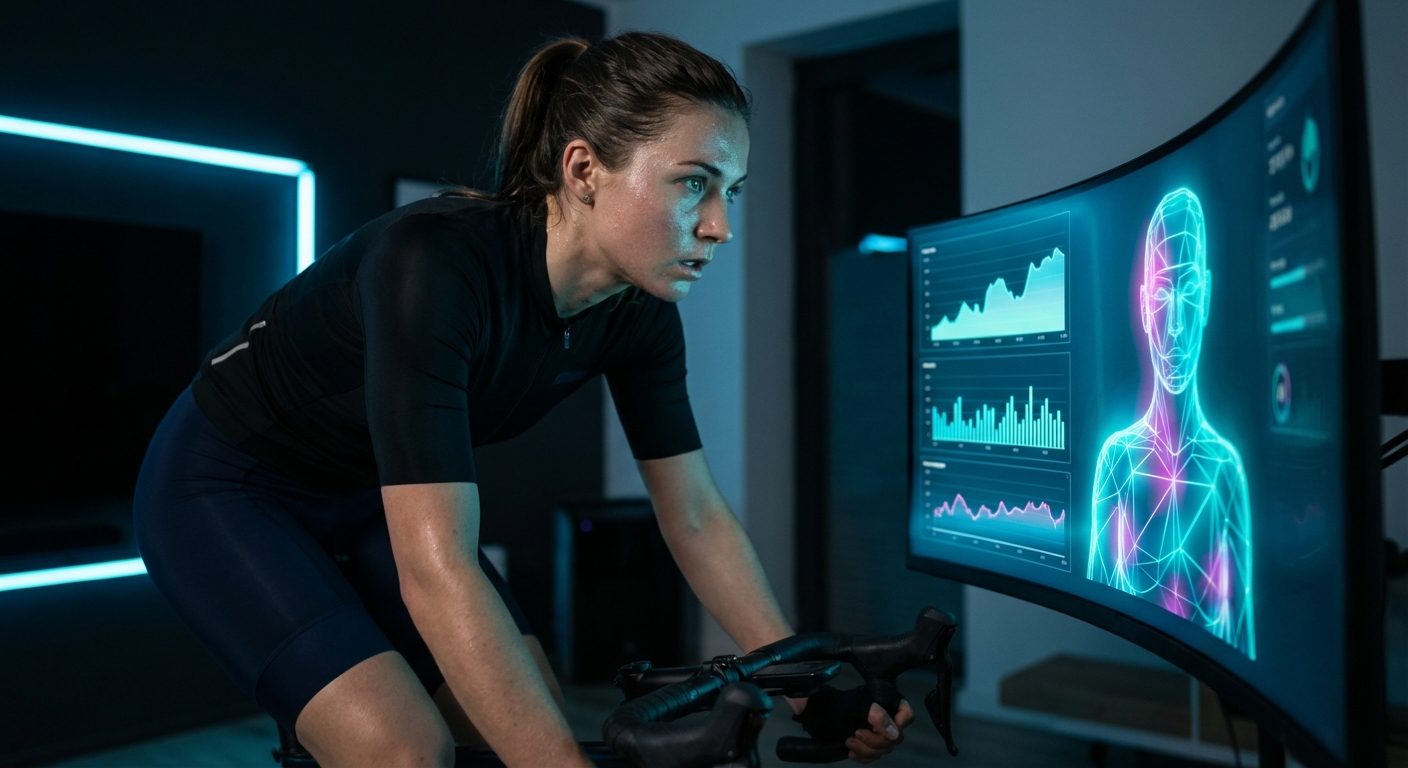
If you’ve ever followed a training plan — whether it came from TrainingPeaks, a book, or a coach who writes blocks for 20 athletes at once — you’ll recognise the feeling. Tuesday says “3×12 minutes at threshold.” Tuesday you also slept five hours, had a stressful morning, and your legs feel like concrete. You do the session anyway, because the plan says so. You grind through it below target. You’re frustrated. The data looks worse than last week. ...